
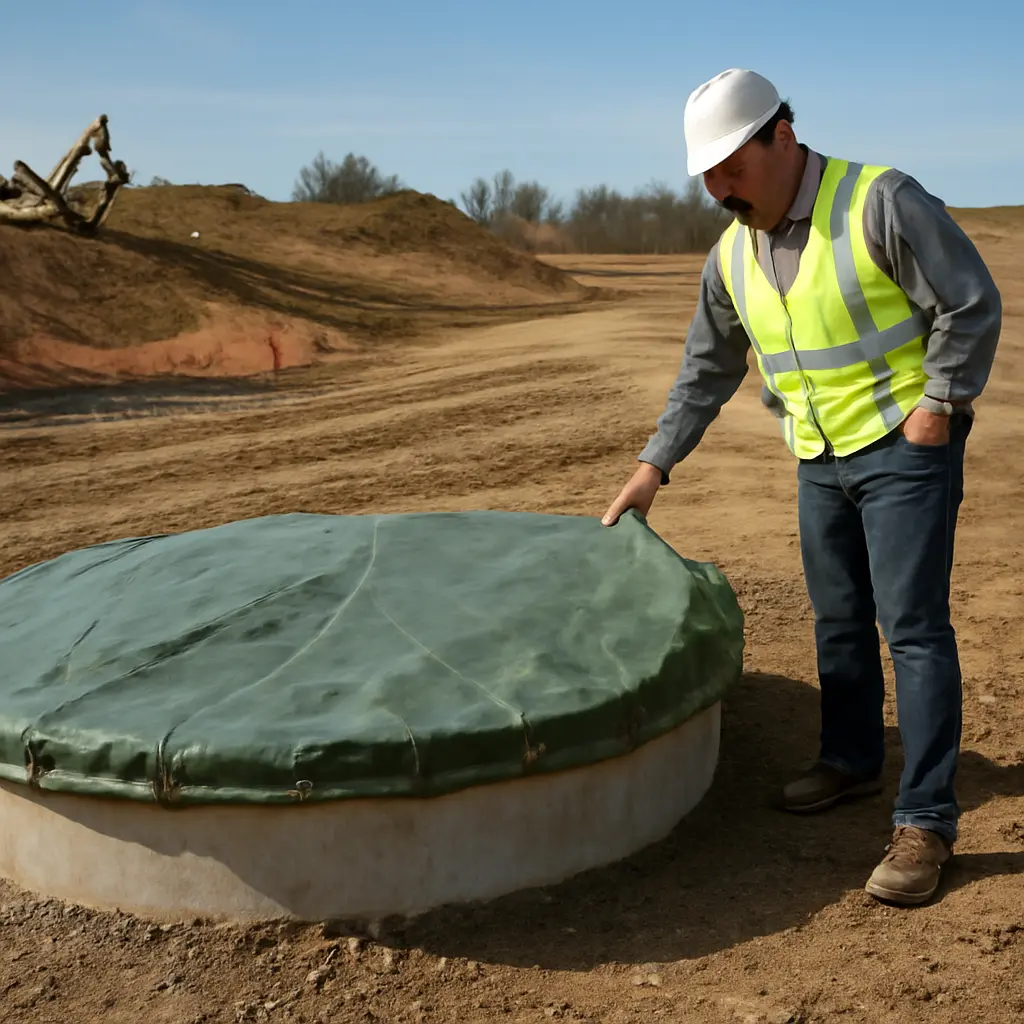
Wastewater on a job site is water contaminated by work activities or sanitation needs, including sewage, wash water, dewatering discharge, and runoff carrying sediment or chemicals. Preventing wastewater headaches means identifying these streams early, containing and treating them appropriately, and confirming where they may legally go. The stakes are practical as well as environmental: the U.S. Environmental Protection Agency (EPA) estimates that construction-site stormwater runoff can carry sediment and pollutants into nearby waters, while OSHA identifies sewage and wastewater as potential sources of biological hazards. A workable site plan therefore connects source control, worker protection, discharge permits, inspection, and emergency response.
Construction wastewater controls: definition, sources, and site risks
Construction wastewater controls are the planning and operating measures used to prevent contaminated water from harming workers, public infrastructure, or the environment. The EPA’s construction stormwater program focuses on pollutants in runoff from land disturbance, including sediment, debris, and construction materials. In practice, “wastewater” on a job site can mean several distinct streams—not all of which can be managed or discharged the same way.
Stormwater runoff and sediment-laden water
Stormwater is precipitation that runs off roofs, soil, paved areas, and other surfaces rather than soaking into the ground. At construction sites, exposed soil can make sediment a major pollutant; runoff may also pick up concrete residue, fuels, metals, and trash. EPA’s National Pollutant Discharge Elimination System (NPDES) construction stormwater requirements generally apply to construction activity that disturbs one or more acres, including smaller sites that are part of a larger common plan of development or sale. Permit coverage and specific conditions depend on the applicable state or federal program.
Process water, wash water, and dewatering
Process water is generated by work such as concrete placement, saw cutting, equipment washing, and drilling. Dewatering water is groundwater or accumulated rainwater pumped out of excavations. These streams can contain high pH, suspended solids, oils, or other contaminants, so clear-looking water is not necessarily suitable for a storm drain, sewer, or waterway. Concrete washout is a particularly important source to isolate: cement-containing water can be highly alkaline and harmful to aquatic life. Collect it in a designated, leak-resistant washout area and manage the solids and liquid under local requirements.
Sanitary wastewater and sewage
Sanitary wastewater comes from toilets, handwashing stations, and other facilities used by workers. It differs from construction process water because it may contain disease-causing microorganisms and must be handled through approved sanitary systems, portable sanitation services, or authorized treatment arrangements. Do not connect temporary facilities to storm drains or allow sewage to enter excavations, soil, or surface waters. Confirm service frequency, capacity, and spill procedures with the sanitation provider before the workforce or project footprint expands.
Wastewater prevention: source control and containment on job sites
Once the wastewater streams are identified, source control is usually the simplest way to reduce both cleanup costs and compliance risk. EPA construction guidance emphasizes erosion and sediment controls, good housekeeping, and proper materials management. The goal is to keep clean water clean, prevent pollutants from reaching water, and avoid generating unnecessary contaminated water in the first place.
Plan drainage before work begins
A drainage plan maps slopes, inlets, ditches, water bodies, excavation low points, and intended discharge locations. Use it to decide where to divert uncontaminated runoff, where to install sediment controls, and where water may need collection or treatment. Phase earthwork where possible so less soil is exposed at once, stabilize completed areas promptly, and protect storm-drain inlets with controls suited to the site. A control that blocks an inlet but causes flooding or unsafe ponding is not an effective solution.
Separate clean water from contaminated water
Segregation means keeping uncontaminated stormwater apart from wash water, sewage, fuel-contaminated water, and other process streams. Direct clean water around active work areas where feasible; collect and label wastewater at its source; and use dedicated, covered, and properly maintained containers or tanks. This reduces the volume requiring treatment or disposal and makes it less likely that an accidental release will reach a drain. Mark each collection point clearly so workers and subcontractors know what may be placed there.
Control concrete, fuels, and chemical residues
Concrete washout, fueling, equipment maintenance, and chemical storage should take place in designated areas away from storm drains and surface waters. Provide containment, inspect it for leaks, and keep compatible materials separated. Remove concrete slurry and wash water using the project’s approved waste-management route rather than rinsing them onto soil or pavement. Spill kits should match the materials on site, remain accessible, and be supported by training on who responds and who must be notified.
Wastewater discharge: permits, testing, and treatment decisions
A discharge is not automatically lawful because water has been pumped off the site or appears clear. The appropriate route depends on the water’s source and quality, the receiving system, permit conditions, and local rules. EPA’s NPDES framework regulates many discharges to waters of the United States, while states and municipalities may impose additional requirements. Before pumping begins, identify the receiving point and obtain any required approvals.
Confirm the receiving system and authorization
Possible destinations include an authorized sanitary sewer, a permitted surface-water outfall, an approved land-application area, or off-site treatment and disposal. Each has different acceptance criteria. A sanitary sewer connection generally requires approval from the local sewer authority; stormwater permits may specify eligible discharges, monitoring, controls, and reporting; and discharging to a waterway may trigger federal, state, or local requirements. Never assume that a storm drain leads to a treatment plant—it may discharge directly to a creek, lake, or coastal water.
Test water when characteristics are uncertain
Testing helps determine whether water meets discharge conditions or needs treatment. Depending on the source and permit, relevant parameters may include pH, turbidity, total suspended solids, oil and grease, or site-specific contaminants. EPA water-quality guidance explains that suitability depends on physical, chemical, and biological characteristics, not appearance alone. Use qualified sampling procedures and compare results with the actual authorization or receiving-system limits; a generic test panel does not replace permit review.
Choose treatment to match the pollutant
Treatment should address the water’s identified problem. Settling tanks or filtration may reduce suspended solids; pH adjustment may be needed for alkaline or acidic water; and oil-water separation can address free petroleum products. Some pollutants require specialized treatment or off-site disposal. Treatment equipment needs enough capacity for expected flows, routine inspection, and a plan for managing captured sludge or spent media. Do not treat a control device as permission to discharge: authorization and applicable limits still govern.
Wastewater safety: worker protection and spill response
Wastewater management is also an occupational-safety issue. OSHA warns that workers can encounter biological hazards in sewage and contaminated water, as well as chemical and physical hazards around pumps, trenches, and tanks. Site procedures should address exposure prevention, protective equipment, hygiene, equipment safety, and what to do when containment fails.
Protect workers from biological and chemical exposure
Assess each task before work starts. Workers handling sewage or contaminated water may need suitable gloves, boots, eye or face protection, protective clothing, and handwashing facilities; the selection depends on the exposure assessment and applicable safety requirements. Cover cuts, avoid eating or drinking in contaminated work areas, and clean reusable equipment safely. Confined spaces, trenches, and tanks can present additional hazards, including engulfment, oxygen deficiency, and toxic atmospheres, and require task-specific controls rather than ordinary wastewater PPE alone.
Use a clear spill and overflow procedure
A spill plan should state how to stop the source safely, protect nearby drains and waterways, notify supervisors, contact emergency or environmental authorities when required, and document cleanup. Keep emergency contacts and drain maps where crews can find them. For a sewage release or unknown chemical, restrict access and use trained responders rather than asking unprotected workers to investigate. Following a spill, inspect the cause, repair the failed control, and update the plan so the same failure does not recur.
Wastewater inspections: daily practices that prevent costly failures
A wastewater plan works only if the controls remain functional as the site changes. Inspections should cover collection points, tanks, pumps, hoses, washout areas, inlet protection, and discharge locations. Permit-required inspection frequency and documentation vary, so follow the project’s permit and stormwater pollution prevention plan (SWPPP), as well as local conditions.
Assign responsibility and keep records
Name a responsible person for each wastewater stream and make subcontractor duties explicit. Maintain records of inspections, sampling, maintenance, training, waste pickup, discharge approvals, and corrective actions. The EPA’s construction stormwater requirements and state-issued permits can specify documentation and reporting obligations. Good records also help identify recurring problems, such as a tank that routinely fills before scheduled service or a pump route that crosses an unprotected drain.
Check controls after rain and site changes
Rain, grading changes, new utility trenches, and shifting material-storage areas can alter runoff pathways. Inspect controls after relevant weather events and whenever site conditions change; repair damaged barriers, remove accumulated sediment where required, and verify that discharge hoses remain secured. A practical site checklist can track the condition of controls, evidence of leaks or bypasses, water levels, and corrective-action deadlines.
Conclusion: a job-site wastewater plan prevents avoidable headaches
Construction wastewater controls begin with identifying stormwater, process water, dewatering, and sanitary wastewater as different streams. Source control and containment reduce pollution at the point of generation; permit checks, testing, and appropriate treatment govern discharge decisions; worker protections and spill procedures limit exposure; and regular inspections keep the system reliable. Before the next excavation or washdown, map drainage, confirm authorized disposal routes, assign responsibilities, and brief every crew. For project-specific requirements, consult the applicable permit, local sewer authority, environmental regulator, and safety professional.
Sources: U.S. Environmental Protection Agency, Construction Activities Stormwater Discharges, https://www.epa.gov/npdes/stormwater-discharges-construction-activities; U.S. Environmental Protection Agency, Construction General Permit (CGP), https://www.epa.gov/npdes/construction-general-permit-resources-tools-and-templates; U.S. Environmental Protection Agency, National Pollutant Discharge Elimination System (NPDES), https://www.epa.gov/npdes; U.S. Environmental Protection Agency, Water Quality Standards: Regulations and Resources, https://www.epa.gov/wqs-tech; Occupational Safety and Health Administration, Biological Hazards, https://www.osha.gov/biological-hazards; Occupational Safety and Health Administration, Confined Spaces, https://www.osha.gov/confined-spaces.