
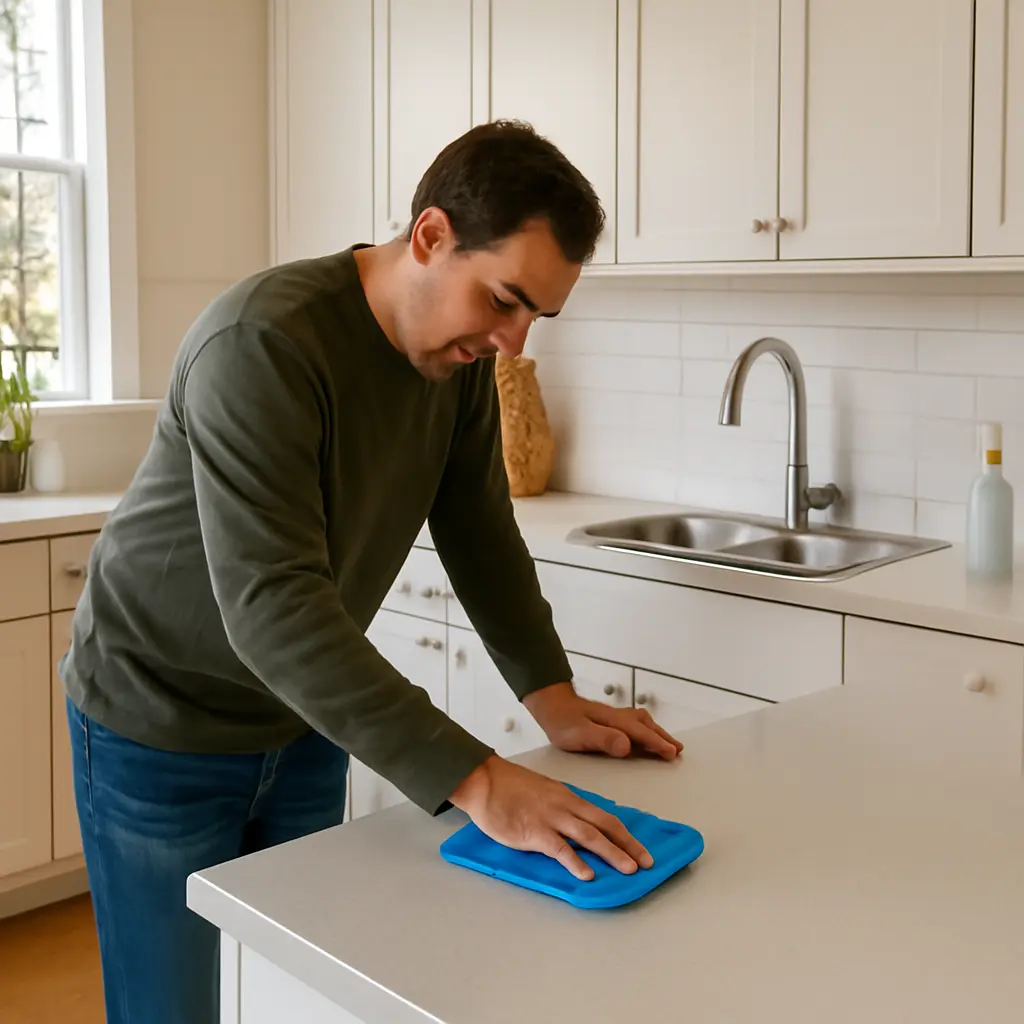
Cleaning mistakes are habits or shortcuts that leave dirt, spread germs, damage surfaces, or expose people to unnecessary chemicals instead of making a space safer. Five common examples are using the same cloth across rooms, mixing cleaning chemicals, neglecting high-touch surfaces, using products incorrectly, and cleaning with damp tools that can harbor microbes. These errors matter: the U.S. Centers for Disease Control and Prevention (CDC) identifies cleaning as an important step in reducing germs, while the U.S. Environmental Protection Agency (EPA) cautions that disinfectants must be used according to their labels. A few changes to routine can help prevent cross-contamination, chemical hazards, and avoidable damage.
Cleaning mistakes and their effects on shared spaces
A cleaning mistake is a practice that undermines the intended result—for example, transferring contamination from one surface to another or applying a product in a way that makes it ineffective or unsafe. The CDC distinguishes cleaning, which removes dirt and impurities, from disinfecting, which uses chemicals to kill germs on surfaces. In many everyday situations, cleaning with soap or detergent and water is sufficient; disinfection is especially relevant when someone is ill or when a surface is likely to be contaminated.
The five mistakes below are connected: dirty tools can spread contamination, poor product use can leave germs behind, and unnecessary or unsafe chemical use can create a different kind of hazard. Treat them as a practical checklist rather than a reason to disinfect every surface constantly.
1. Using one cloth or sponge across multiple areas
Reusing a cloth from a toilet or sink on a kitchen counter can transfer soil and microorganisms between surfaces. This is cross-contamination: the movement of unwanted material from one area, object, or person to another. Separate tools by task or area, such as using one cloth for the bathroom and another for food-preparation surfaces. Wash reusable cloths as directed and let them dry fully between uses. Replace sponges when they are worn, persistently odorous, or difficult to clean.
Color-coding cloths or using clearly labeled storage can make separation easier in busy households. Remember that a different color is only useful if everyone follows the same system.
2. Mixing cleaning chemicals
Combining cleaners can release dangerous gases or cause harmful reactions. The CDC warns never to mix household bleach with other cleaners or disinfectants; mixing bleach with ammonia or acids, including some toilet-bowl cleaners, can produce toxic gases. Use one product at a time, follow its label, and ventilate the area as instructed. If a product is accidentally mixed and fumes develop, leave the area and contact local emergency services or poison-control experts for advice.
More product does not mean more cleaning power. Keep chemicals in their original labeled containers, away from children and pets, and do not combine products in a bucket or spray bottle.
3. Skipping high-touch surfaces
High-touch surfaces are objects handled frequently by different people, such as doorknobs, light switches, faucet handles, shared keyboards, and refrigerator handles. Cleaning only visible or large surfaces can leave these contact points overlooked. The CDC recommends regularly cleaning frequently touched surfaces and increasing attention when someone in the household is sick. Choose a schedule that reflects use, household needs, and the product label rather than assuming every surface requires constant disinfection.
A simple route through a room—starting with cleaner areas and moving toward dirtier ones—helps make the task consistent. Wiping a surface with detergent and water removes grime; use an appropriate disinfectant when the situation calls for one.
4. Ignoring product directions and contact time
A disinfectant’s contact time is the period its label requires the surface to remain visibly wet for the product to work as directed. Wiping it off immediately may prevent the intended disinfection. Read the label for the correct surface, application method, ventilation precautions, and required wet time. The EPA explains that registered disinfectants are evaluated for specific uses and that users should follow label directions, including the listed contact time.
Also check whether a product is suitable for the surface. A harsh or incompatible cleaner can damage finishes, while an unsuitable product may not deliver the result expected. Never transfer a cleaner to an unmarked container, since doing so removes important safety and use information.
5. Putting away damp tools or leaving residue
Wet mops, cloths, and sponges stored in enclosed spaces can stay damp and develop odors or microbial growth. Rinse tools after use, launder washable items according to their care instructions, and allow them to dry completely in a ventilated place. Empty and dry buckets, and clean mop heads regularly. A tool that looks clean may still carry residue, so rinsing and drying are part of the cleaning process—not optional finishing touches.
Residue on floors and counters is another preventable problem. Use the dilution specified on the label and rinse only when directed; excess cleaner can leave a film that attracts dirt, feels slippery, or irritates sensitive skin.
A safer routine for preventing cleaning problems
A reliable routine combines the right tool, the right product, and the right sequence. For a typical household, that means removing visible dirt first, using separate cloths for different tasks, giving high-touch areas appropriate attention, and reserving disinfectants for situations where they are useful. Keep products labeled and use them exactly as directed.
- Gather task-specific cloths and tools before starting.
- Clean from less soiled areas toward more soiled areas, changing tools when needed.
- Read product labels and never mix cleaners.
- Allow disinfectants to remain wet for the labeled contact time.
- Rinse, wash, and dry reusable tools before storing them.
The CDC’s household guidance and the EPA’s disinfectant-label guidance offer useful reference points when a cleaning task involves illness, food-contact areas, or a product with special precautions. For visual planning, a room-by-room checklist can map high-touch points and assign separate cloths to bathroom, kitchen, and general cleaning tasks.
Conclusion: small corrections prevent bigger problems
The most preventable cleaning mistakes are reusing contaminated tools, mixing chemicals, overlooking high-touch surfaces, ignoring label directions, and storing damp or residue-covered equipment. Avoiding them helps limit cross-contamination, improves product effectiveness, and reduces chemical and surface-damage risks. Review your routine, separate tools by task, and follow trusted product instructions; when illness or a specific contamination concern changes the situation, consult current guidance from public-health authorities.
Sources: Centers for Disease Control and Prevention, When and How to Clean and Disinfect Your Home, https://www.cdc.gov/hygiene/about/when-and-how-to-clean-and-disinfect-your-home.html; Centers for Disease Control and Prevention, Cleaning and Disinfecting with Bleach, https://www.cdc.gov/hygiene/about/cleaning-and-disinfecting-with-bleach.html; U.S. Environmental Protection Agency, Six Steps for Safe and Effective Disinfectant Use, https://www.epa.gov/pesticide-registration/six-steps-safe-and-effective-disinfectant-use