
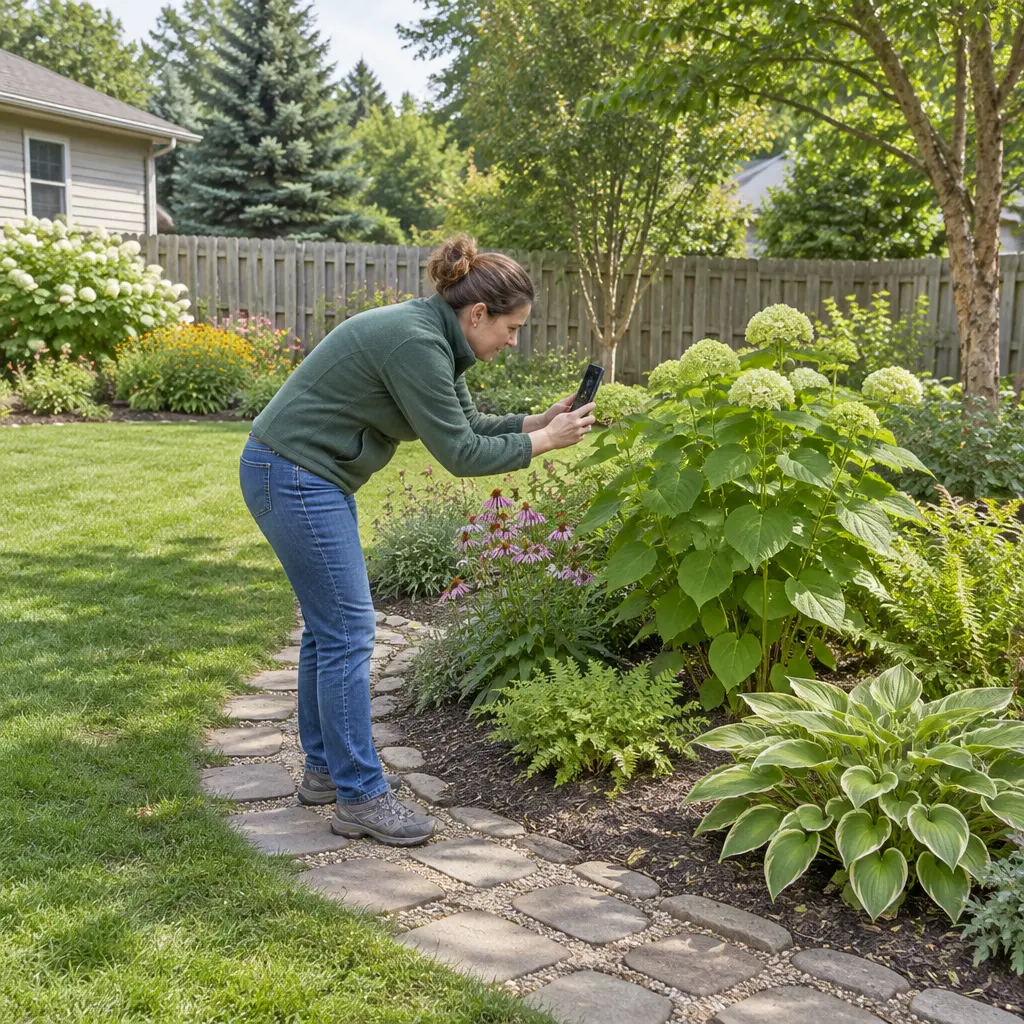
Invasive species—organisms introduced beyond their native range that establish and cause harm—turn ordinary yards into part of a costly ecological and economic problem. In the United States, invasive species cost an estimated $21 billion a year in damages and control, according to a 2021 study published in Nature; the researchers said that figure was likely an underestimate. A backyard invasion can mean damaged buildings, expensive plant removal, lost agricultural production, and public spending on containment. The costs vary by species and location, but the pattern is clear: prevention and early detection are generally less expensive than letting an invader spread.
Invasive Species Costs Explain the Backyard-to-Billions Connection
An invasive species is not simply an unfamiliar plant or animal. The U.S. Department of Agriculture’s National Invasive Species Information Center describes invasive species as non-native organisms whose introduction causes or is likely to cause economic or environmental harm, or harm to human health. That distinction matters: a non-native organism may be harmless, while an invasive one spreads and creates measurable damage.
The economic bill includes direct expenses—such as removal, repairs, and treatment—as well as indirect losses, including reduced crop yields, lower property values, and damage to recreation or ecosystem services. In a 2021 analysis, researchers estimated that invasive species cost the United States at least $1.22 trillion from 1960 through 2017, averaging about $21 billion annually. Their estimate covers a wide range of invaders and impacts; it is not a price tag for backyard plants alone.
What turns a non-native organism into an invasive one?
Introduced organisms can become invasive when they arrive in a suitable environment, reproduce successfully, and spread without the controls that limited them in their original range. Some escape natural predators or pathogens; others thrive because people move soil, firewood, plants, boats, or equipment. A garden plant can also spread beyond the yard through seeds, roots, or discarded cuttings.
The U.S. Geological Survey emphasizes that invasive species can alter habitats and food webs as well as cause economic harm. The effects may be local at first, but connected waterways, roads, nurseries, and neighborhood plantings can help an invader travel much farther than one property.
The main cost categories
Costs commonly fall into three related groups: damage, management, and lost benefits. Damage includes chewed trees, clogged infrastructure, crop losses, and structural harm. Management includes surveying, pesticides, mechanical removal, and long-term monitoring. Lost benefits may include diminished shade, reduced water quality, fewer native pollinators, or less attractive parks and shorelines. Not every study counts all three, which is one reason national estimates differ.
The pathway from one yard to a larger bill becomes easier to see through specific examples: plants that escape cultivation, insects that attack trees, and aquatic organisms that spread through connected water systems.
Backyard Invasion Costs Rise Through Plants, Pests, and Waterways
Invasive garden plants and the cost of spread
Invasive plants are non-native species that spread and cause ecological or economic harm. Some were originally planted for landscaping, erosion control, or ornamental value. Once established, they can outcompete native vegetation, alter habitat, and require repeated removal. English ivy, kudzu, and Japanese knotweed are familiar examples in parts of the United States, although local regulations and risks vary by state.
Japanese knotweed illustrates how a plant problem can become a property and infrastructure problem. Its dense growth can overtake yards and vacant lots, while control may require repeated treatment and follow-up because surviving roots can produce new shoots. Claims about its ability to damage buildings are often overstated; the more reliable concern is the difficulty and expense of controlling established stands and the risk of spread through contaminated soil or plant fragments.
A useful illustration is a simple pathway diagram: “planting or disposal → escape into nearby habitat → spread along roads, streams, or disturbed ground → recurring control costs.” It shows why responsible plant selection and disposal matter beyond the property line.
Invasive insects and tree damage
Invasive insects can impose costs through tree removal, replacement planting, inspection, and lost shade. The emerald ash borer, native to Asia, has killed tens of millions of ash trees in North America. The U.S. Forest Service has documented the extensive mortality and management burden associated with the beetle. Dead or weakened trees near homes and streets can also become hazards that require professional assessment and removal.
The hemlock woolly adelgid offers another example: this sap-feeding insect threatens eastern and Carolina hemlocks, important trees in forests and streamside habitats. When hemlocks decline, communities may face costs beyond tree treatment, including changes to shade, habitat, and watershed conditions. A yard with an affected host tree can therefore be part of a broader regional monitoring effort.
Aquatic invaders and the shared-cost problem
Aquatic invasive species spread through lakes, rivers, canals, and water infrastructure. Zebra mussels, for example, attach to hard surfaces and can clog pipes and water-intake systems. The U.S. Geological Survey reports that their spread has had major ecological and economic effects in North America. Boats, trailers, bait, and aquarium releases can move aquatic organisms between water bodies, making individual choices relevant to public water systems and recreation.
This is a shared-cost problem: the person who moves an infested boat may not pay for the resulting treatment at a utility or the damage to a lake’s ecosystem. Cleaning, draining, and drying watercraft—and never releasing pets or aquarium plants outdoors—help reduce that risk.
Early Detection and Prevention Reduce Invasive-Species Costs
Why acting early can save money
Early detection means identifying a new or expanding infestation while it is still limited enough to manage. Control becomes more difficult when an organism spreads across multiple properties or into forests, waterways, and infrastructure. The National Invasive Species Council’s management framework emphasizes prevention, early detection, rapid response, and long-term control as complementary approaches.
The economic logic is straightforward: treating a small, accessible patch usually requires fewer labor hours and less equipment than controlling a widespread infestation. But the exact savings depend on the species, terrain, treatment method, and how quickly authorities and property owners act. There is no single dollar figure that applies to every backyard.
Practical steps for homeowners
- Choose regionally appropriate plants and check state or local invasive-species lists before buying or sharing plants.
- Do not dump garden waste, aquarium contents, bait, or soil into natural areas, storm drains, or waterways.
- Clean soil and plant fragments from shoes, tools, mowers, boats, and trailers before moving them to another site.
- Learn to recognize priority local invaders, and photograph and report suspected sightings to the relevant state agency or cooperative extension service.
- Use control methods suited to the species and site; poorly timed cutting or improper disposal can sometimes spread seeds or fragments.
A homeowner should also confirm local rules before applying herbicides or removing protected vegetation. For difficult infestations, advice from a state extension service, conservation district, or licensed professional can help avoid ineffective treatments and unintended environmental harm.
Conclusion: A Small Backyard Problem Can Become a Public Expense
Invasive species create economic costs through damaged property and infrastructure, expensive control, and losses to agriculture, ecosystems, and recreation. The estimated U.S. burden—at least $21 billion annually in a major 2021 study—shows why the issue extends well beyond individual yards. Invasive plants, destructive insects, and aquatic invaders demonstrate how local introductions can become regional problems.
The most effective response starts before an invasion becomes established: select suitable plants, avoid releasing organisms, clean equipment, and report suspected invaders promptly. Check your state’s invasive-species guidance and consult local extension experts to learn which species pose the greatest risk where you live.
Sources: Diagne, C. et al., “High and rising economic costs of biological invasions worldwide,” Nature, 2021, https://www.nature.com/articles/s41586-021-03405-6; U.S. Department of Agriculture, National Invasive Species Information Center, “What Is an Invasive Species?”, https://www.invasivespeciesinfo.gov/what-are-invasive-species; U.S. Geological Survey, “Invasive Species,” https://www.usgs.gov/programs/invasive-species-program; U.S. Forest Service, “Emerald Ash Borer,” https://www.fs.usda.gov/foresthealth/protecting-forest/invasive-species/emerald-ash-borer.shtml; National Invasive Species Council, “Management Plan,” https://www.doi.gov/invasivespecies/management-plan; U.S. Geological Survey, “Zebra Mussel,” https://www.usgs.gov/centers/great-lakes-science-center/science/zebra-mussel